Kitten Care
From preparing for your foster kitten to bottle feeding and routine care, learn everything you need to know to be a hero for the tiniest felines.

From preparing for your foster kitten to bottle feeding and routine care, learn everything you need to know to be a hero for the tiniest felines.
Want to browse all kitten care resources?
Select “View All” to see all content from the corresponding category.
All good things start with a plan. Before you bring home your foster kittens, prepare yourself with these considerations!
When you first bring home a kitten, and throughout the process of fostering, it's a good idea to examine her general health.
Knowing a kitten's age is the first step to knowing how to care for them and what to anticipate.
Visual cues will help you determine if a kitten is male or female. Knowing the sex doesn't make any difference in how you raise them, and only determines whether the kitten will eventually need to be spayed or to be neutered.
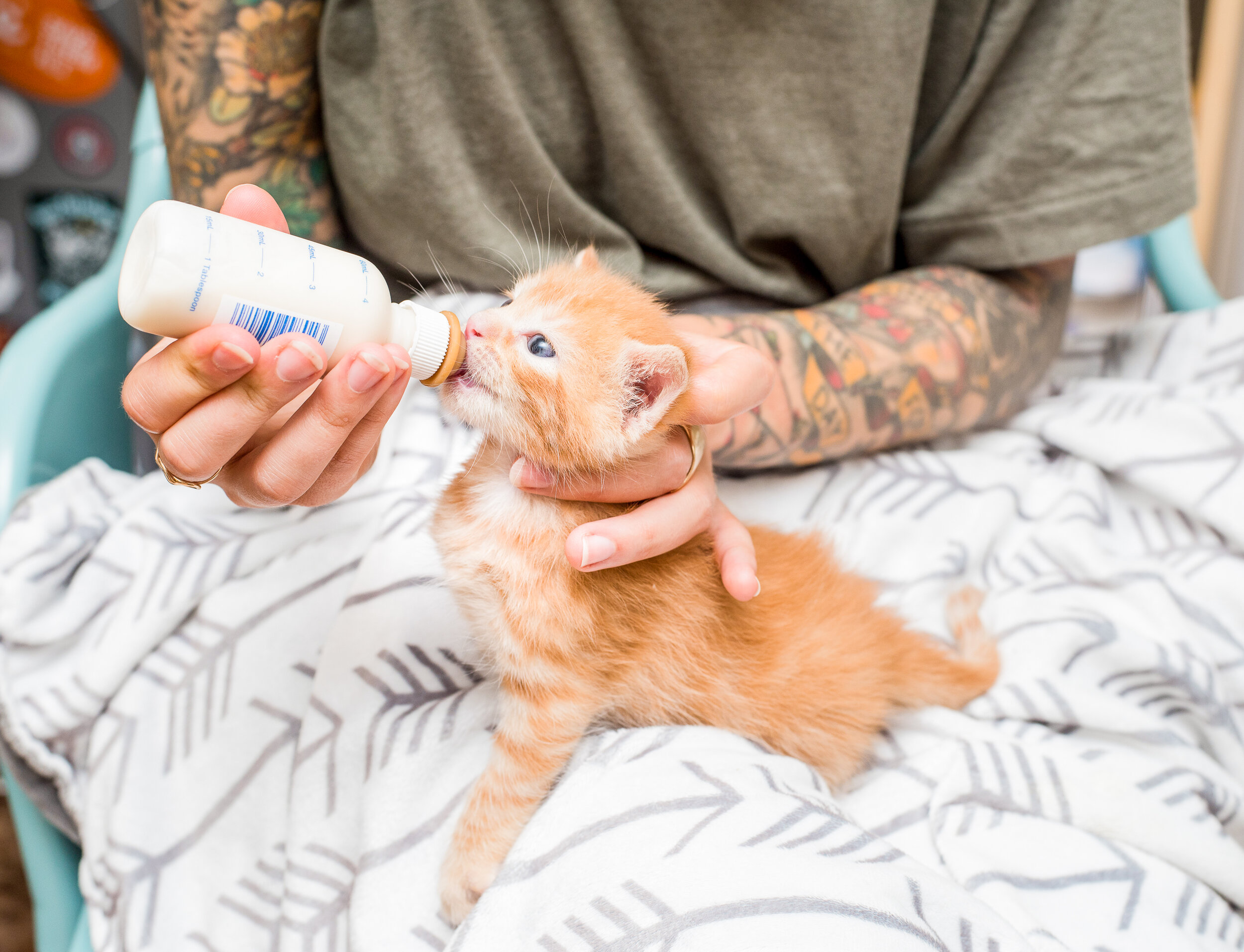
When a kitten is without a mother, it's up to us to lend a hand. Bottle feeding is an essential skill for any kitten rescuer, and Kitten Lady makes it easy to learn with this step-by-step tutorial.
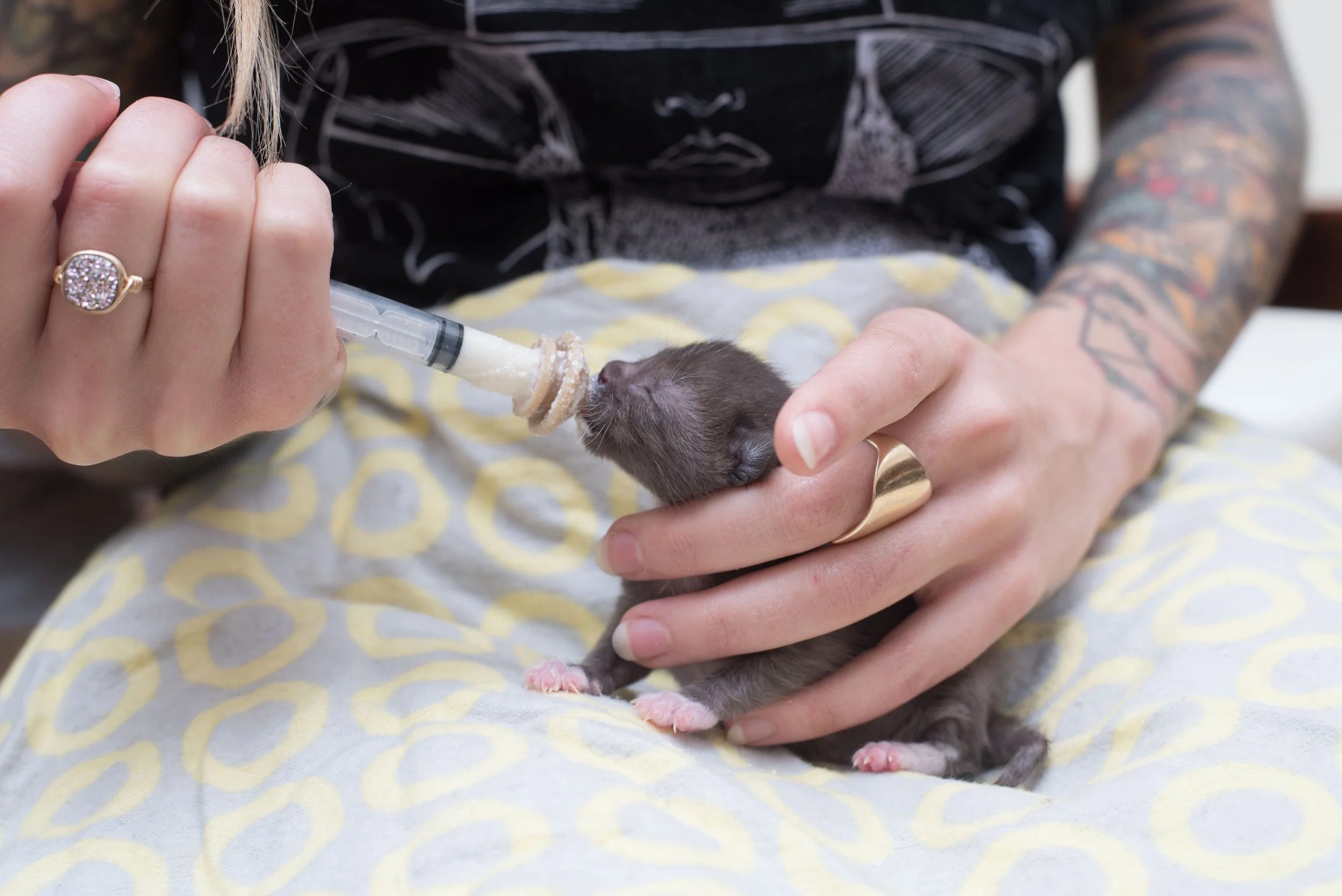
Bottle feeding is the standard method for feeding orphaned kittens, but if you're having difficulty feeding a kitten under 2 weeks old, you may want to consider switching from a bottle to a syringe.
Weaning is the fun, messy adventure of helping a kitten transition from nursing (or bottle feeding) to eating solid food on her own!
Young kittens don't pee and poop on their own; mama cats stimulate them to go to the bathroom by licking them. If you're raising an orphan, you'll need to help them by stimulating them at each feeding.
Kittens naturally understand the litter box and will be drawn to use it as long as you provide them the proper encouragement. Here's what you need to know about helping get kittens on the right path.
If you're caring for kittens who have diarrhea, please take it seriously. Loose, liquid stool is not normal for kittens and should be addressed within the day.
When you bring home a new foster kitten, it’s natural to want to introduce them to other animals in your home right away. But not so fast! There’s an important step that can protect everyone involved: quarantine.
If you're caring for kittens, there are a few routine veterinary needs that you should know about.
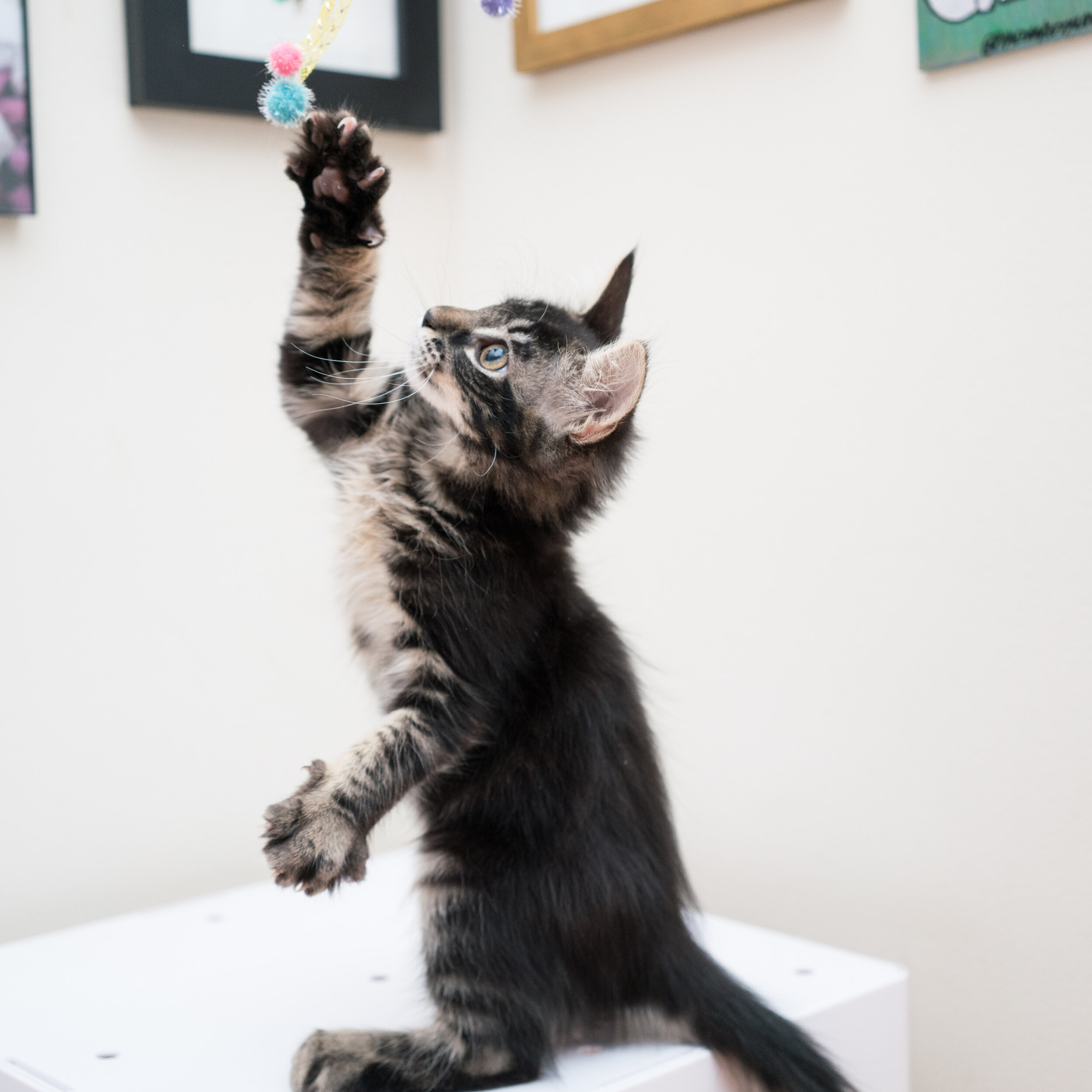
Cats are a predator species, so it’s perfectly normal for kittens to express their natural instinct to attack, chomp, and gnaw. Beginning around 4 weeks of age, kittens will start visually track objects that look like prey, and practice their pounce.
You know how wonderful your foster kittens are—but now you have to communicate that to potential adopters!





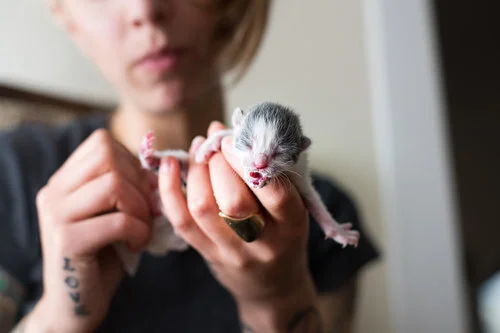


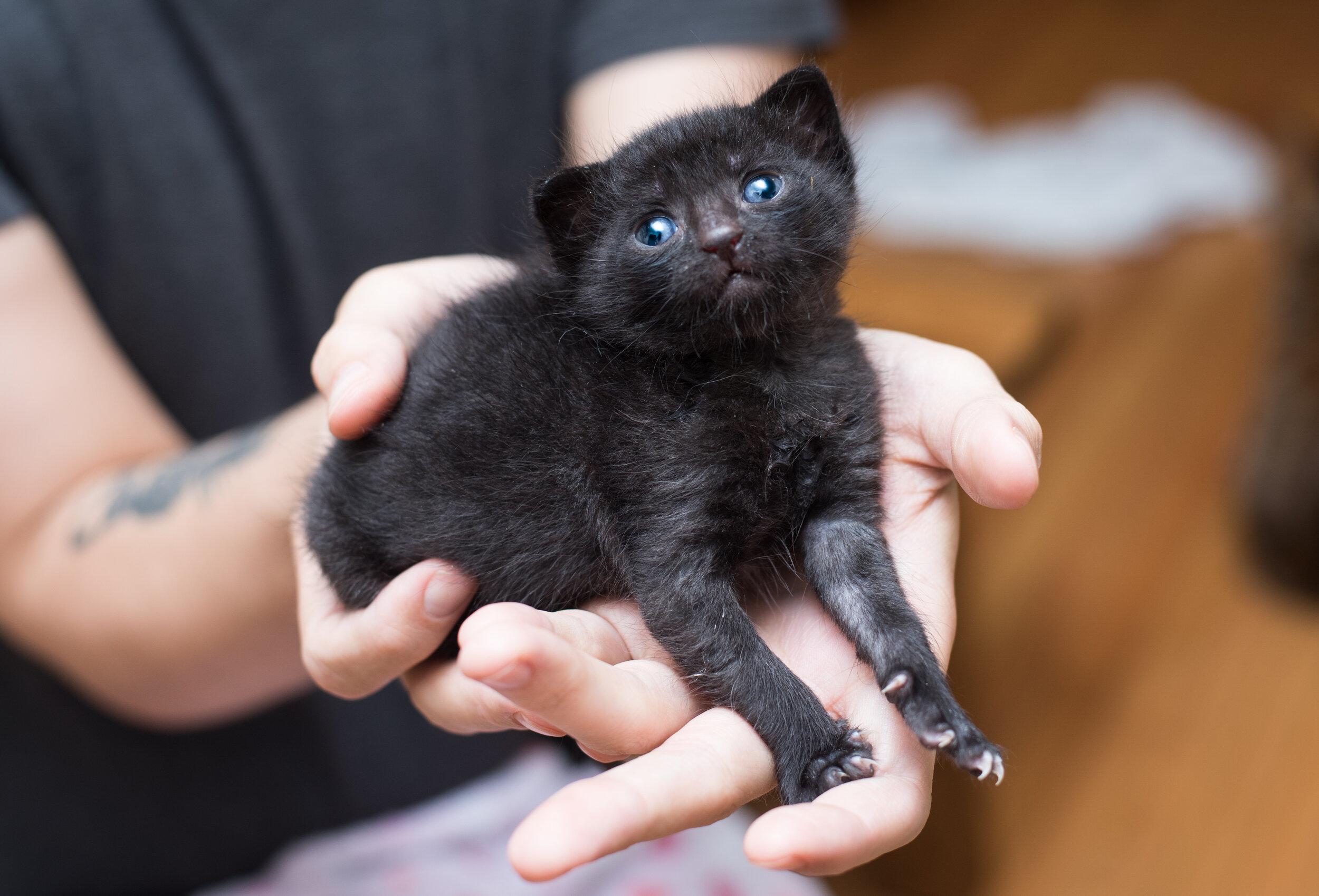
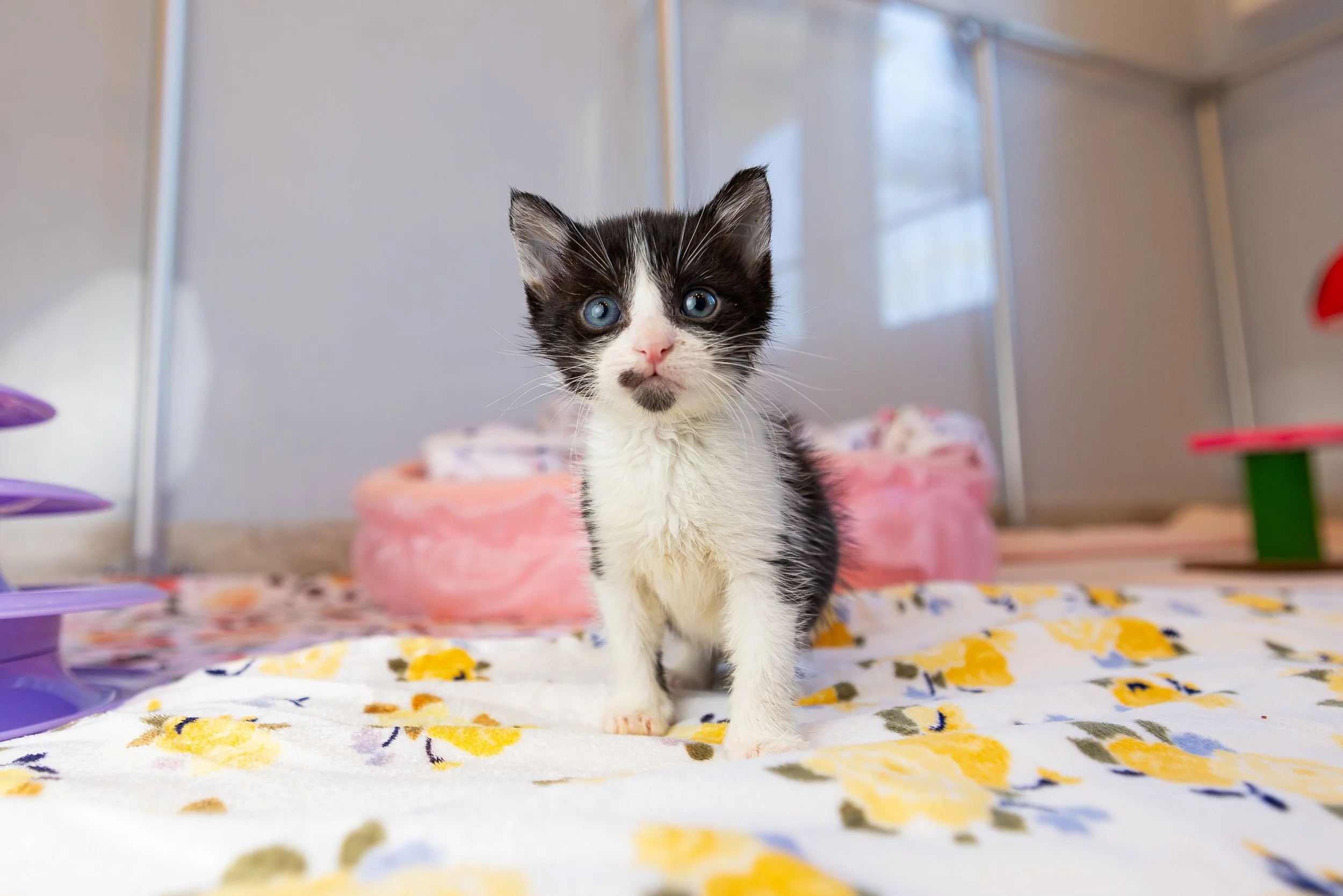
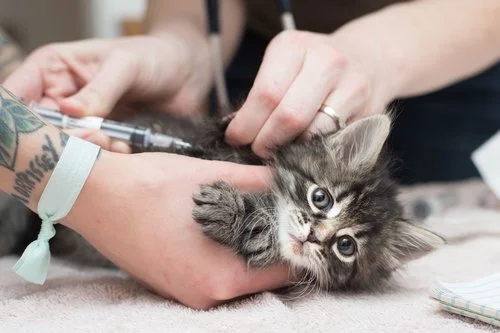





Whether you live in rural Nebraska or downtown Los Angeles, I promise you -- kittens need your help. Here's where you can find them.