
Why and How to Quarantine Your Foster Kittens
When you bring home a new foster kitten, it’s natural to want to introduce them to other animals in your home right away. But not so fast! There’s an important step that can protect everyone involved: quarantine.
Quarantine is one of the simplest and most effective tools we have for preventing the spread of infectious disease. Whether you’re caring for one kitten or multiple litters, understanding how to quarantine properly can help keep vulnerable animals healthy and safe.
Watch Kitten Lady’s video on how to quarantine Kittens:
Why Do Newly Rescued Kittens Need to Be Quarantined?
Most foster kittens come from unknown backgrounds, often arriving from outdoor cat colonies or animal shelters. In these environments, they may be exposed to infectious diseases, and because they are so young, they are especially vulnerable to becoming ill.
Even if a newly rescued kitten appears healthy, they may be carrying an infectious disease that has not yet begun to show symptoms. Young kittens are particularly susceptible to illness because their immune systems are still developing.
Some common contagious illnesses seen in foster kittens include:
Upper respiratory infections including calicivirus and herpesvirus
Many of these conditions can spread before a kitten looks visibly sick.
Quarantine doesn’t just protect your resident pets and other foster animals—it can also save you a lot of cleaning and stress. Many infectious diseases can spread through fomites, which are objects or surfaces that carry germs from one place to another. Bedding, blankets, toys, food bowls, litter scoops, scales, countertops, clothing, shoes, couches, rugs, cat trees, and other household furnishings can all act as fomites, harboring pathogens long after exposure to a kitten.
Trust me: I know it’s tempting to let your adorable new foster kittens explore the whole house right away. But if they end up having ringworm, you’ll be very grateful they spent their first two weeks in a contained quarantine area instead of napping on every couch cushion you own. A short period of caution at the beginning can make disease prevention, cleaning, and treatment much easier if a health issue does arise.
What Does It Mean to Quarantine a Kitten?
Quarantine means housing newly rescued kittens in a separate area, keeping their supplies separate from those used by other animals, and carefully monitoring them for signs of illness before allowing them to interact with other animals or the full home environment.
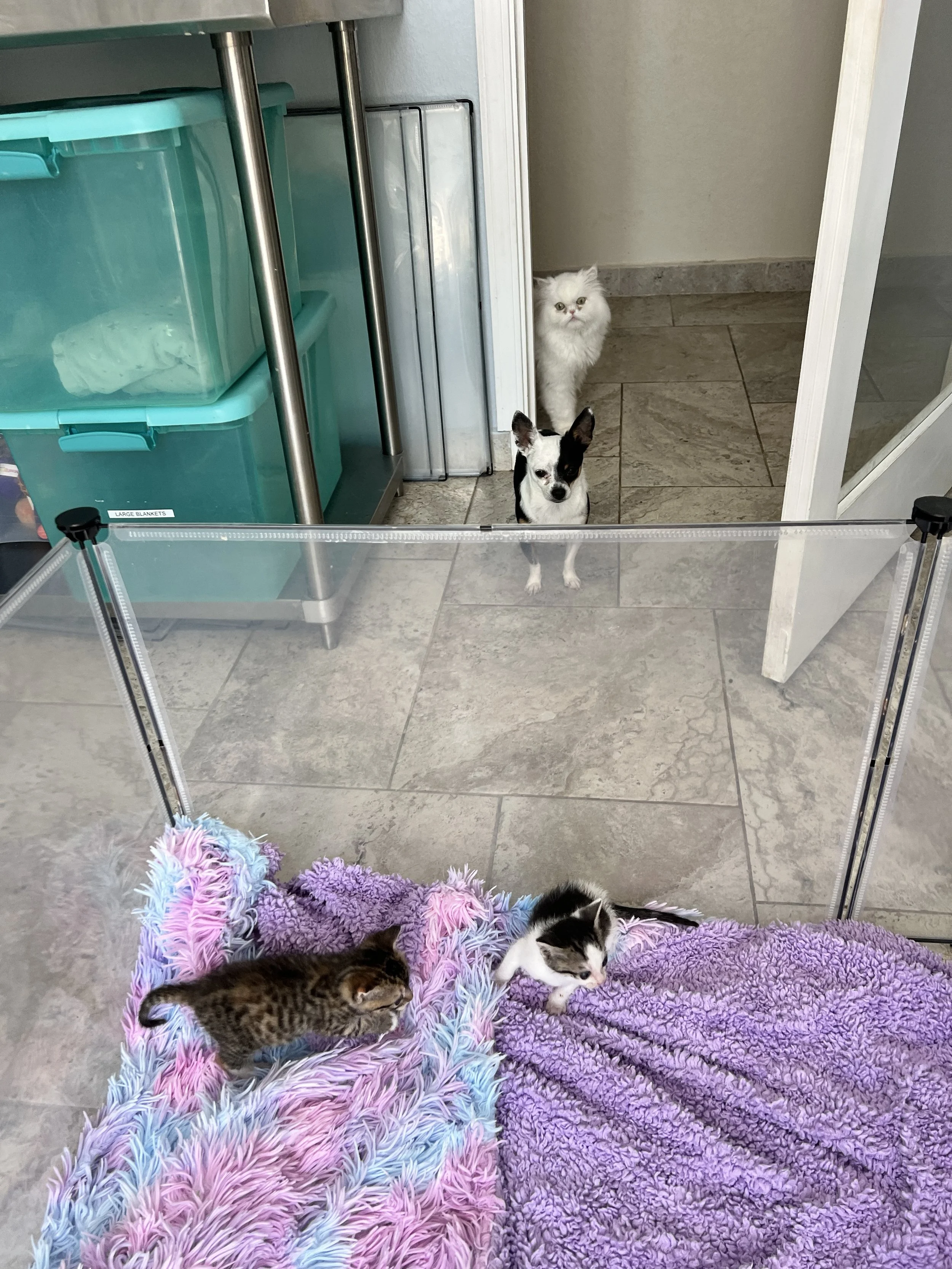
A plastic playpen allows reasonable separation from resident cats and dogs.
A proper quarantine includes:
Housing new kittens in a separate area such as a playpen
Preventing direct contact with other animals
Avoiding shared supplies
Practicing hand hygiene such as hand washing or glove use
Monitoring for symptoms of illness
Cleaning and disinfecting appropriately
Think of quarantine as creating a protective bubble around a new arrival until you have a better understanding of their health status.
Who Should Be Quarantined?
Any newly rescued kitten or litter should be quarantined from other animals in the home.
“Can I Foster Kittens if I Have Resident Cats?” Watch this video for Tips:
Littermates do not need to be quarantined from one another. If kittens arrived together and have already been living together, they can remain together as they have already been exposed to the same environment.
However, separate litters should not share space or supplies during the quarantine period.
For example, if three kittens arrive at your home together, they can stay together—but they should be quarantined from resident animals. If two additional kittens from another location come into your care a week later, they can stay together as a pair—but should be quarantined from the first litter for two weeks, as well as the resident animals.
The goal is to prevent disease transmission between groups with different histories and exposures.
Why Two Weeks?
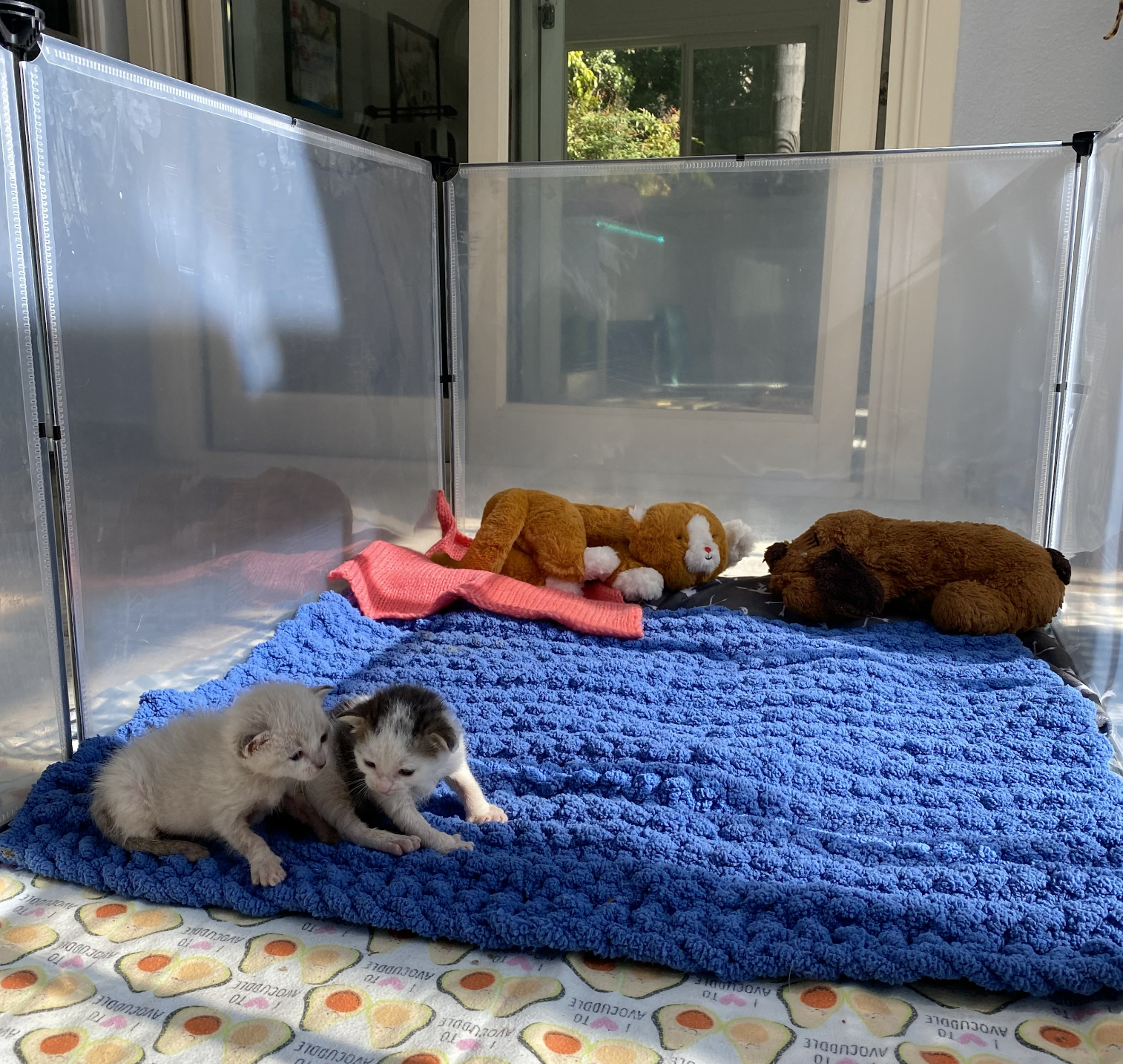
This pair of kittens arrived seeming healthy…but 10 days later, they broke with panleukopenia. Quarantine practices meant that they didn’t spread the virus to other animals!
A two-week quarantine period gives enough time for many common infectious diseases to become apparent. During those 14 days, monitor kittens for signs such as:
Sneezing, nasal discharge, and eye discharge
Diarrhea or vomiting
Hair loss or skin lesions
Lethargy, poor appetite, weight loss, fever
If a kitten develops symptoms, seek veterinary evaluation and treatment, and do not introduce them to other animals. For example, if on day 6 of quarantine your kittens develop signs of ringworm, they will need to remain isolated from other animals until treatment is complete and they are medically cleared. If you had already introduced them to your resident pets or allowed them to roam throughout your home, you could now be facing a much larger disease outbreak and a much more challenging cleaning process.
That’s exactly why quarantine is worth the effort!
Setting Up a Quarantine Space
A quarantine area doesn’t need to be elaborate. In fact, a small, easy-to-clean space is often ideal.
Many foster caregivers use a mesh playpen or plastic panel playpen, or keep the kittens in a spare bathroom or laundry room. Playpens are especially useful because they create a clearly defined quarantine zone, keep supplies contained, and help prevent kittens from exploring furniture, carpeting, and other difficult-to-disinfect surfaces.
If using a room, choose one without carpet or other porous materials whenever possible, as these surfaces can be difficult to disinfect if a contagious illness is discovered.
The goal is to create a contained environment where kittens can safely eat, sleep, play, and use the litter box without exposing other animals or the rest of the home.
Preventing Cross-Contamination
One of the most important parts of quarantine is preventing cross-contamination between groups of animals.
Even if two litters never directly interact, disease can still spread if they share supplies or if pathogens are accidentally carried from one group to another on your hands, clothing, or equipment. To reduce this risk:
Practice Good Hand Hygiene
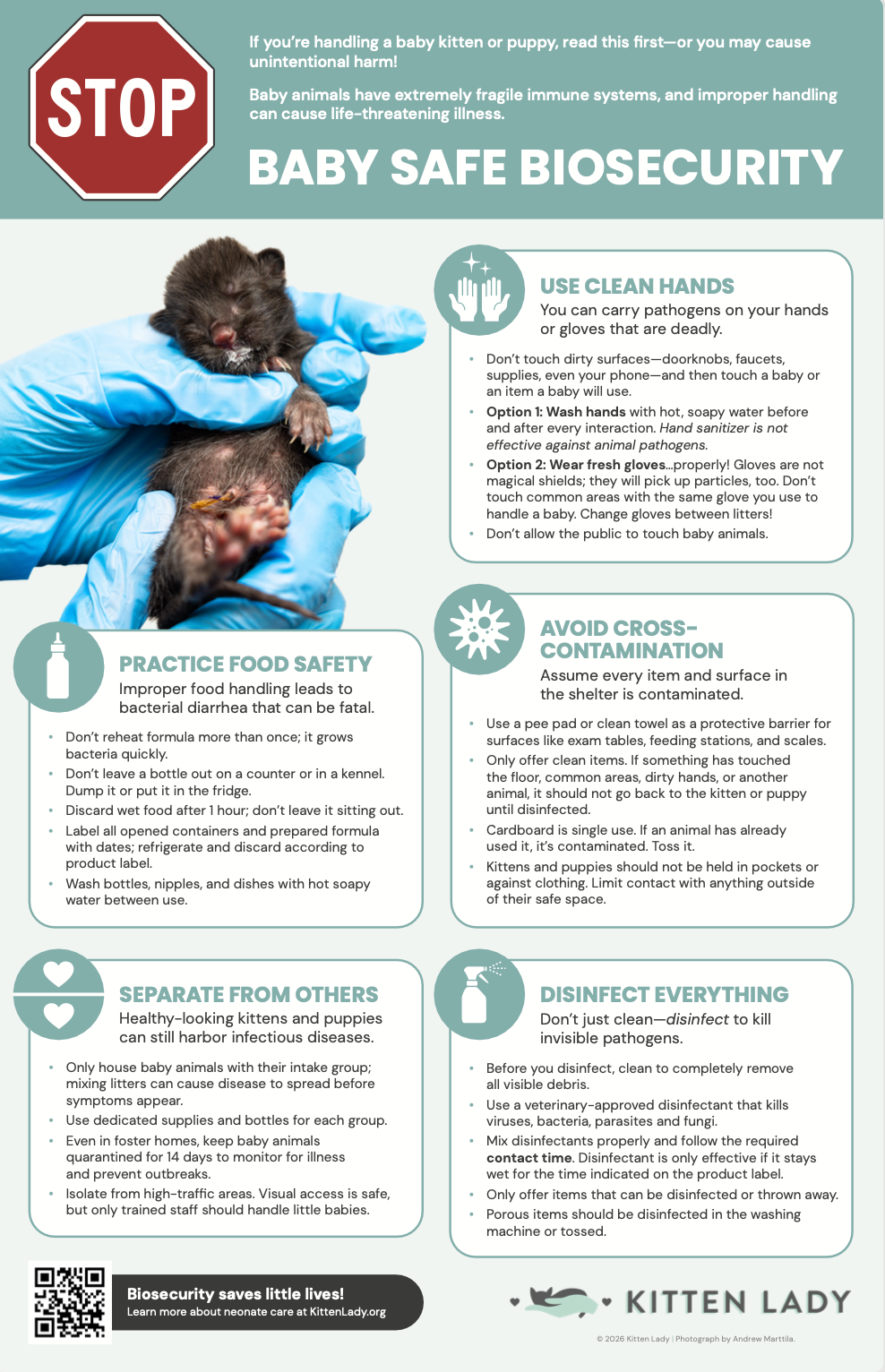
Wash your hands thoroughly with soap and water before and after handling each litter and their supplies. Hand sanitizer is not appropriate for this purpose, as it neither removes organic material nor kills every pathogen of interest.
You may also choose to wear gloves while caring for your kittens. If doing so, just remember that pathogens can still be carried on your gloves—so don’t touch door knobs, phones and other communal items with dirty gloves unless you disinfect them after.
Use Separate Supplies
During quarantine, each litter should have their own dedicated supplies, including:
Mesh playpen or plastic panel playpen
Food and water dishes
Scales and heat disks
Avoid sharing items between litters whenever possible.
Care for Healthy Animals First
When caring for multiple groups of animals, always handle the animals with the lowest known disease risk first. For example, you might care for your residents first, then your healthy foster kittens, and finally any animals that are sick or undergoing medical treatment. This simple habit can significantly reduce the risk of accidentally spreading disease.
Organizing Multiple Litters with Color Coding
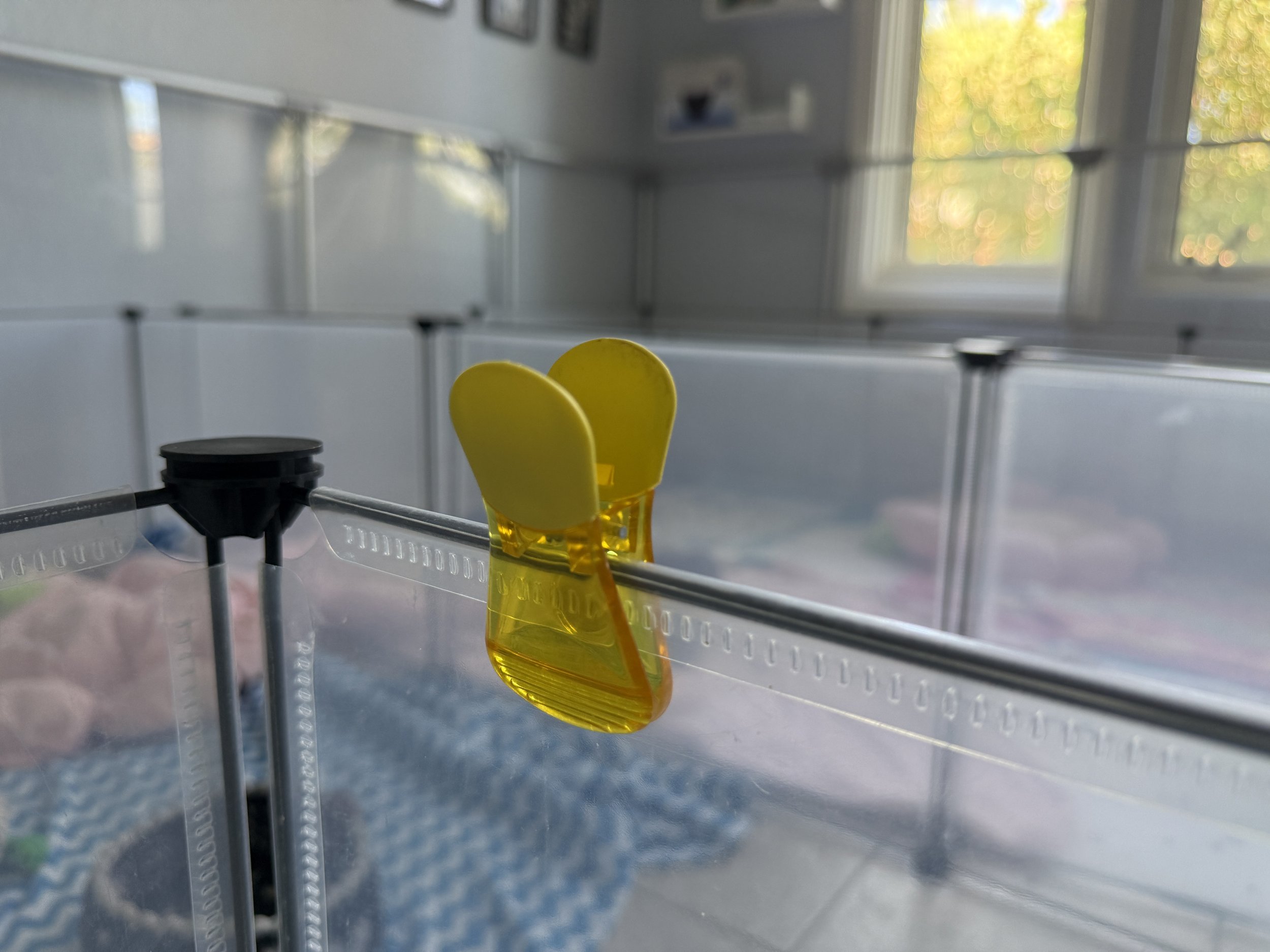
Using colorful clips can help distinguish your supplies to avoid cross-contamination between litters of kittens.
If you foster multiple litters at the same time, staying organized becomes especially important. One of my favorite tricks is assigning each litter a color.
For example, one litter might be designated green while another is designated yellow. Use colored clips, tape, labels, bins, and storage containers to clearly identify which supplies belong to which group. Not only does this help prevent cross-contamination, but it also makes daily care much more efficient.
Cleaning and Disinfecting
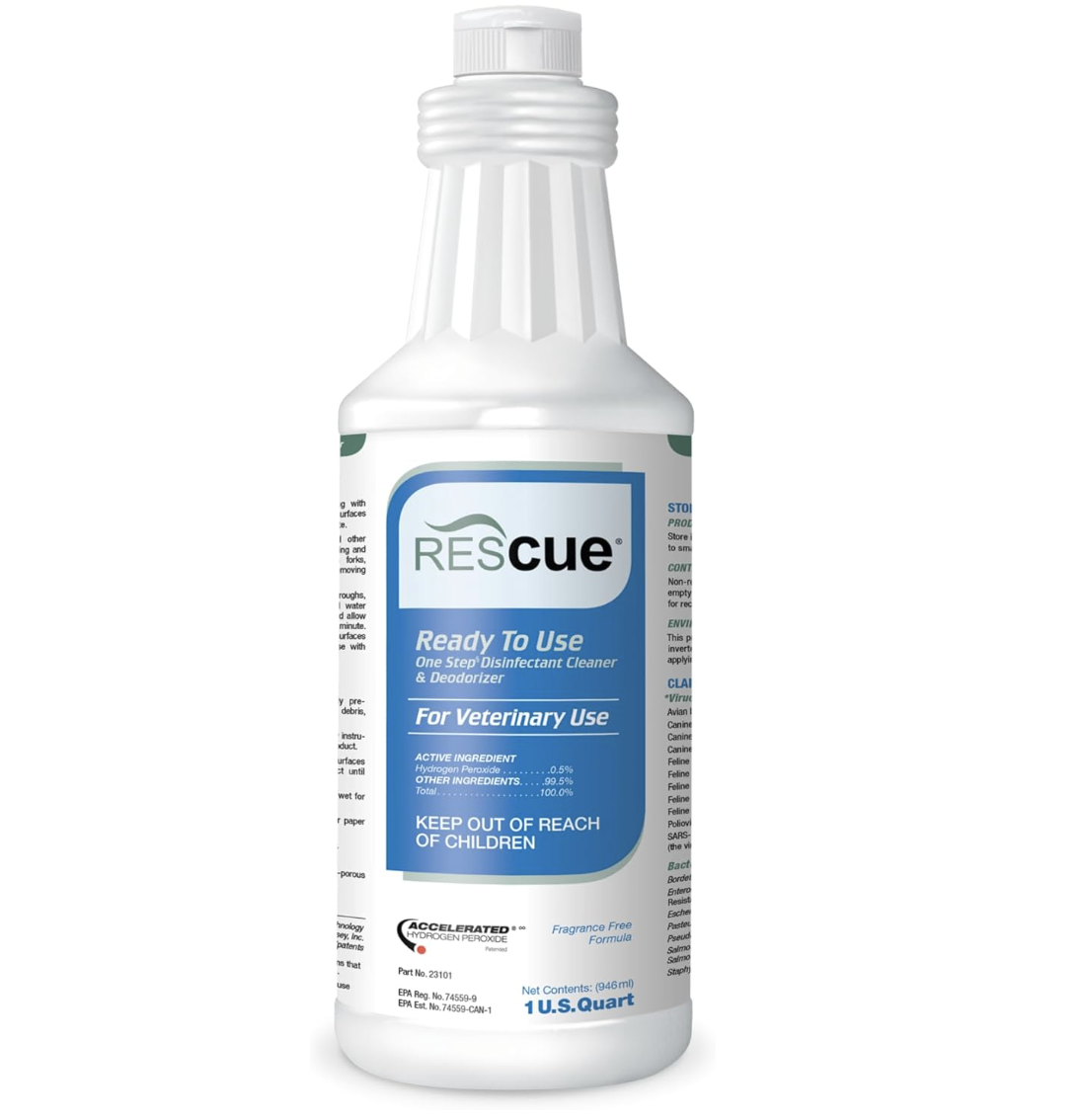
Be sure you’re using a disinfectant that is effective against feline pathogens. I use Rescue Disinfectant!
It’s a good idea to frequently clean and disinfect while fostering, especially during the first two weeks while the kittens are under quarantine. Cleaning removes dirt, debris, and organic material, while disinfecting kills the disease-causing organisms that remain after cleaning. Note that not all disinfectants kill feline pathogens—you’ll want to purchase one like Rescue Disinfectant which is effective for these purposes.
Before applying a disinfectant:
Remove visible debris.
Wash the surface with soap and water.
Apply an effective disinfectant for kittens according to label instructions.
Allow the required contact time.
Let the surface dry completely.
Finishing Quarantine
After two weeks, if your kittens have remained healthy and symptom-free, the quarantine period can come to an end.
That doesn’t mean introductions are required! Many foster caregivers choose to keep foster kittens separate from resident animals, especially if resident animals are elderly, immunocompromised, stressed by kittens, present a safety risk, or are simply uninterested in making new friends. If you choose to introduce kittens to resident animals, do so gradually and under supervision. It’s generally best to keep foster animals separated from residents when you’re not supervising.
If you foster multiple litters, consider whether the kittens are a good match before introducing them. Size, age, and energy level all matter; a tiny bottle baby may not be safe around a rambunctious older kitten. But when kittens are developmentally compatible, introducing them can be a wonderful way to provide socialization, enrichment, exercise, and friendship!
You’ve Got This!
By quarantining new arrivals, preventing cross-contamination, practicing good hygiene, and monitoring for signs of illness, you can help protect your foster kittens, resident animals, and future foster kittens alike.
Those first two weeks may require a little extra effort, but they can make a tremendous difference in keeping everyone healthy.