Some Kittens are Undersocialized to Humans
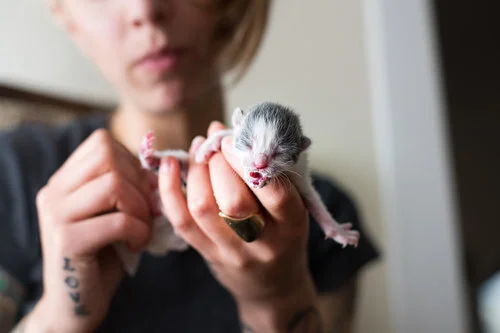
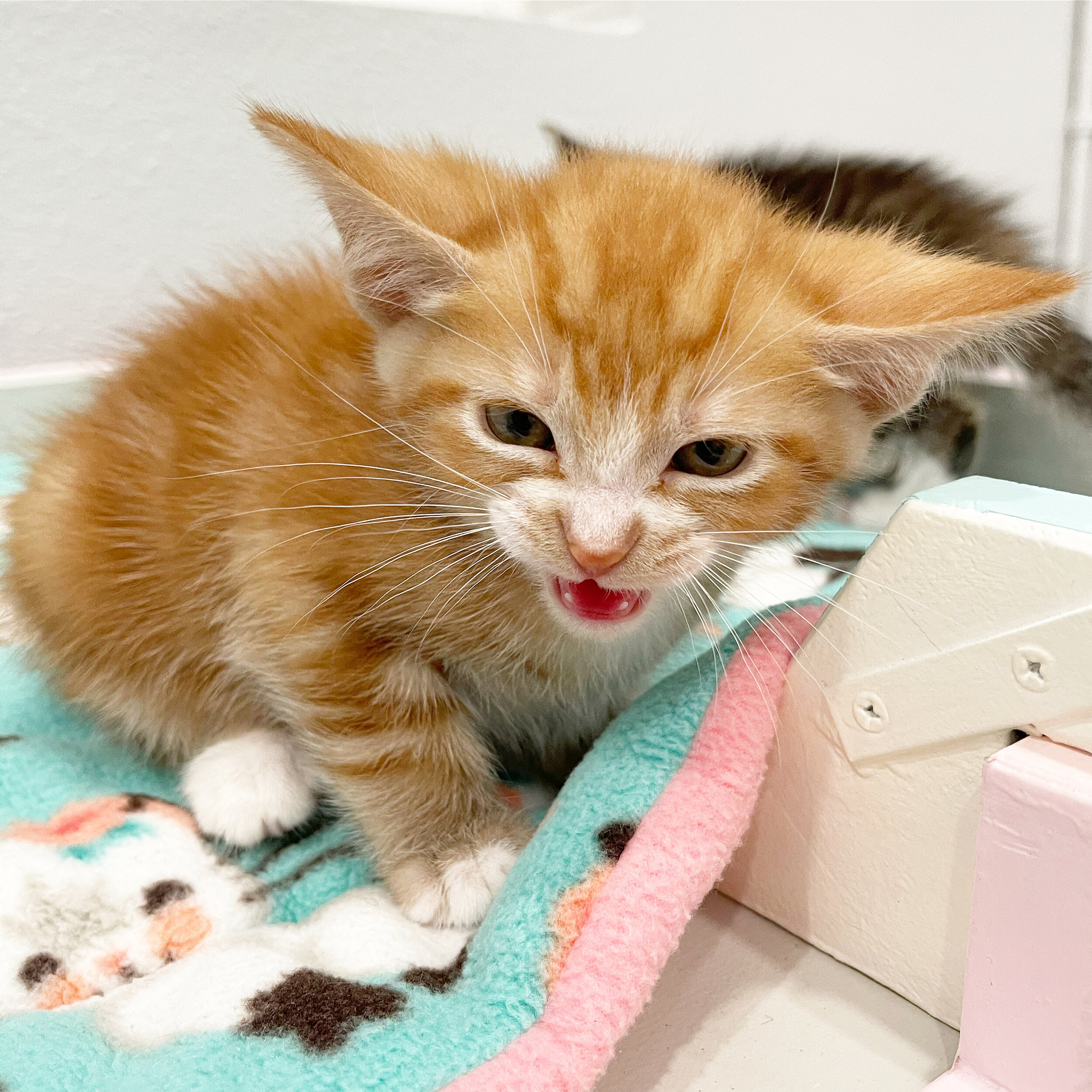
Did you know that kittens will hiss at the scent of a human when they are as young as one day old? All kittens are born unfamiliar with humans, but become socialized to us through early experiences of kittenhood. The more positive interactions they have with humans at a young age, the more quickly they will warm up and become social, friendly kittens.
Unsocialized kittens (sometimes called feral kittens) are kittens who are not socialized to humans, because they have not had enough positive interactions with us at a young age. These kittens are typically found outdoors, where they are often born to community cats, but an indoor kitten can also exhibit feral behaviors if she is not handled by humans during the first weeks of life.
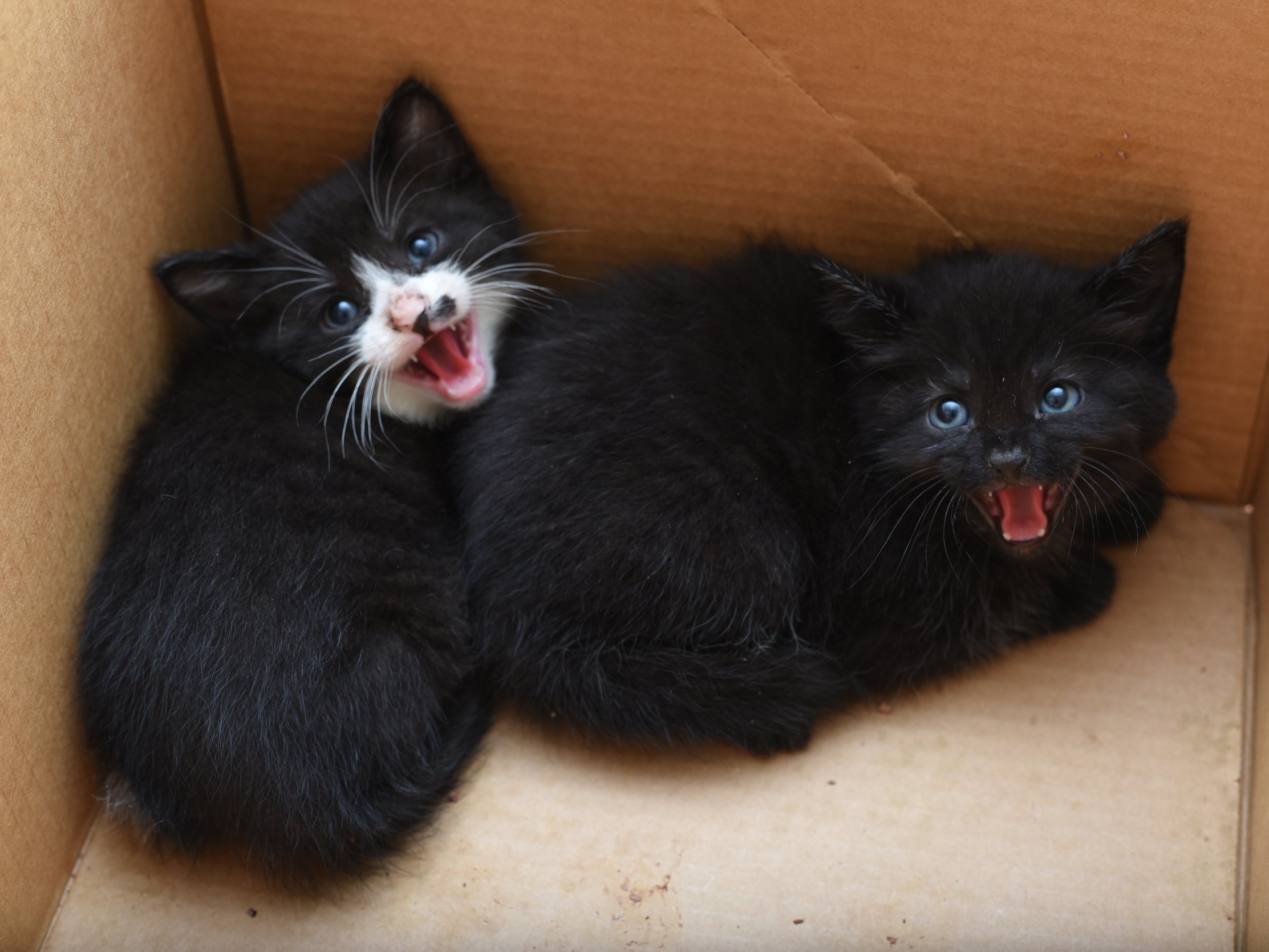
When unsocialized kittens are in close quarters with a human, they may be hissy, avoidant, scared, or even aggressive. That’s because they find humans quite threatening!
With enough patience, persistence, and the right kind of care, these kittens can often warm up and become friendly, loving companions through the process of socialization.
Watch my kitten socialization Instructional video!
The Kitten Socialization Window
Socialization is most successfully achieved during the first 2-9 weeks of life. While socialization is possible between 9-12 weeks, it can take longer and require more effort. After 12 weeks, forced socialization can be both traumatic and ultimately ineffective. If you’ve encountered an unsocialized kitten, one of the first things to do is to determine the kitten’s age and make sure that she’s within the age range where socialization will be successful. If they are outside of the socialization age range, the kindest outcome is typically trap-neuter-return.
Neonatal kittens should be handled at least twice a day to help them become comfortable with humans.
0-5 weeks: Dependent Kittens
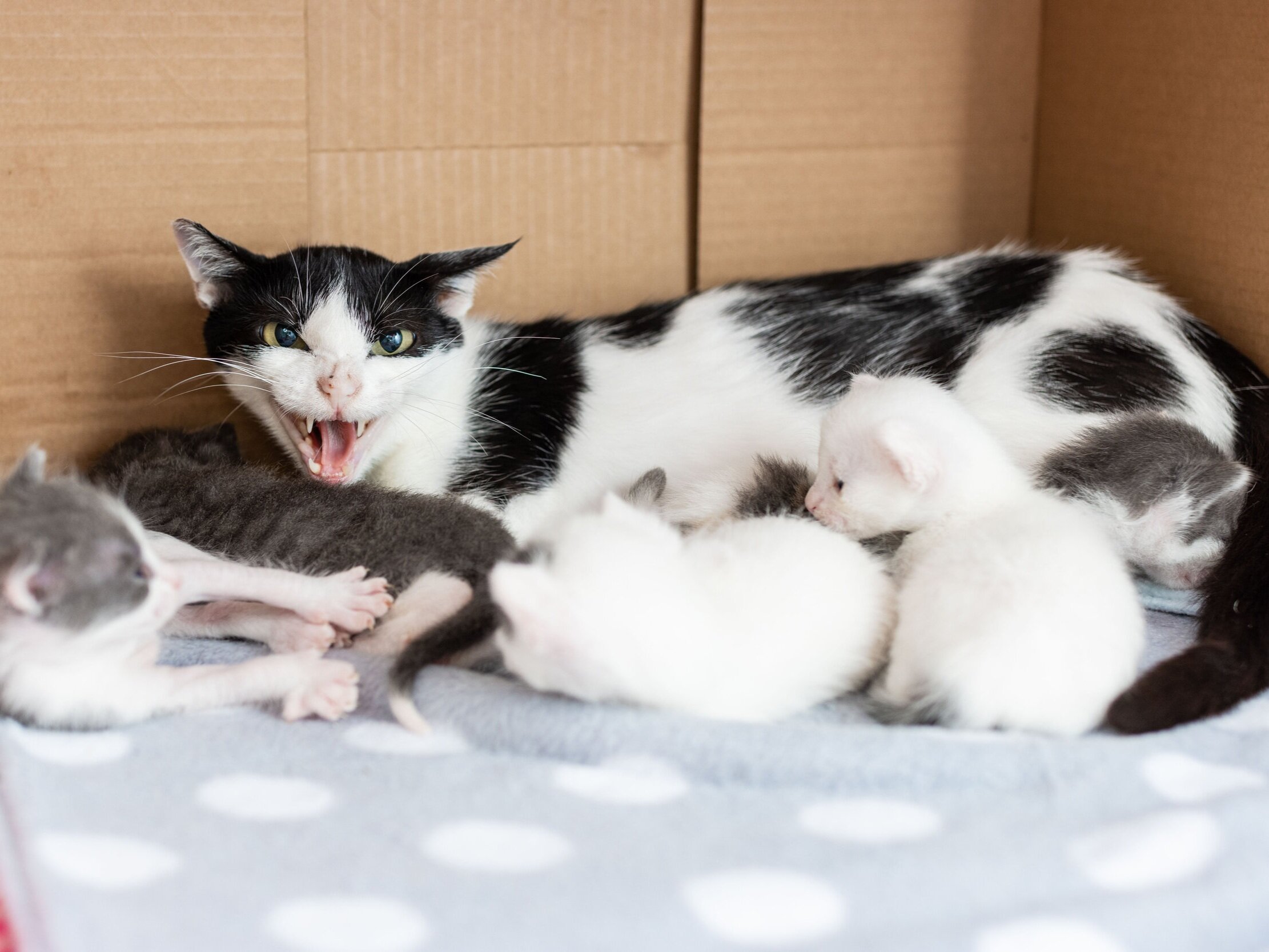
Kittens under 5 weeks of age will be dependent on mama for nursing. You can foster a feral mama with her babies, and any interactions you have with the kittens during the first five weeks of life will greatly increase their level of socialization. Feral kittens raised with a feral mama should be handled at least 1-2 times daily for monitoring and light socialization. Orphaned kittens under 5 weeks old will receive plenty of hands-on care through bottle feeding and will generally become socialized within hours to days.
Use mealtime to help weaning kittens gradually accept (and learn to love) humans!
5-12 weeks: Transitional Kittens
Kittens 5-12 weeks of age will be weaning/weaned, are a prime age for kitten socialization. During this optimal socialization window, they are trying to discover where their food will come from, and are therefore biologically predisposed to seek new experiences, learn new things, explore new relationships, and accept change. This is the ideal period in which to help the kitten warm up to humans through the steps outlined below.

Older kittens may have a better outcome through TNR.
12+ Weeks: Independent Kittens
As kittens become adolescent cats, they become less suited for socialization than younger kittens; once they reach 12+ weeks they become more independent, less adaptable, and less accepting of unfamiliar situations. Older kittens and adult feral cats may be better candidates for TNR (trap-neuter-return.) Forcing socialization onto an older kitten or cat can cause distress, and if you hold onto an unsocialized kitten for too long, it may result in a situation where the kitten is neither able to be adopted into a home, nor able to be ethically returned to her (now unfamiliar) colony. For this reason, it is recommended to make a decision quickly, keeping in mind that TNR is still a positive outcome!
Gradual Desensitization—Not Flooding!
Kitten socialization is all about helping the kitten make positive associations with humans. The goal is to introduce gentle experiences that build trust and confidence without overwhelming the kitten. This process works best when kittens are kept in a small, safe space where they can see and interact with people regularly while still having a cozy place to retreat. Rather than forcing contact, encourage curiosity through play, food, and calm interaction during daily routines.
It’s important to avoid “flooding,” or pushing a kitten beyond their comfort level with forced handling, which can increase fear and stress. Instead, socialization should happen gradually and repeatedly throughout the day, allowing the kitten to feel a sense of choice and control as they learn that humans are safe and rewarding companions.
Step-By-Step Socialization
Be sure to watch this video to see socialization in action!
Session One: Introduce Yourself From a Distance
Place the food in front of the kitten and back away. Stand as far away as it takes for the kitten to be comfortable eating in front of you.
While the kitten eats, speak to him in a gentle tone. Stay visible to him throughout the first meal.
Next Session(s): Get Closer Bit By Bit
Place food in front of the kitten. Try to stand closer each time, gradually decreasing the distance from him as he eats.
Continue talking to him throughout the entire meal.
Next Session(s): Hand Feed
Hold the food dish while the kitten eats.
Try holding food in your hand or on a spoon.
Continue talking to him throughout the entire meal.
Next Session(s): Introduce Touch
Start gently touching the kitten while he eats. Focus on favorite areas like head, cheeks, and the base of the tail.
Take small steps towards holding the kitten. Place hands on her sides and lift.
Eventually, you should be able to hold the kitten.
Final steps: Keep Introducing New Experiences

Within days, you’ll have them eating out of your hand!
Continue taking baby steps for any new stimuli.
Be mindful that toys can be scary! Introduce new objects gradually to build confidence.
Start introducing the kitten to other people so that she learns to trust humans more broadly.
A Few More Tips
Here are some tips for working with feral kittens:
Be mindful when grouping kittens together; separating out the most feral of the group can help speed up socialization by increasing feelings of dependence. Reunite once socialized.
If the kittens are being raised with a feral mama, you will have the greatest success by separating them from mama once they are 5-6 weeks old and weaned. See a feral mama returned to her colony here!
Try enticing treats like chicken baby food on a spoon or Churu treats, which will encourage the kitten to get close to you.
Read a book to the kittens to help them get used to your voice. Find books by Kitten Lady here!
Leave a TV, radio, or audiobook on low while you’re out of the room to help them get used to the sounds of humans.
Encourage new experiences at every meal—but never push a kitten so far beyond their comfort zone that it causes trauma. Slow and steady!
Commit to working with the kitten many times a day. Persistence is key!
Watch a Webinar on Unsocialized Kittens:
In Summary…
DO:
Ensure that the kitten is an appropriate age for socialization
Keep the kitten in a relatively contained area, such as a playpen or dog crate, until she is socialized and comfortable approaching you
Socialize during mealtime
Focus on introducing just one to two new experiences per session
Respect the kitten’s space if she is seriously distressed
Use protective gear as needed, like gloves
DON’T:
Force socialization on an unsocialized kitten older than 12 weeks
Allow an unsocialized kitten to freely roam your house
Rush them to do too many new things at once
Forcing them into a corner, where they are more likely to feel threatened
Use bare hands
Suggested Videos:
Check Out More Content From Kitten Lady